Recipe origin
Carrie Barnard · Grill on a Dime. The starting point is Chicken Cheesesteak. It gives this sandwich a specific source, separate from my broader experience making other meals on the Blackstone.
This is a saved recipe to try. My notes introduce the preparation; the original author supplies the full recipe, and I have not documented a cook-through of this version.
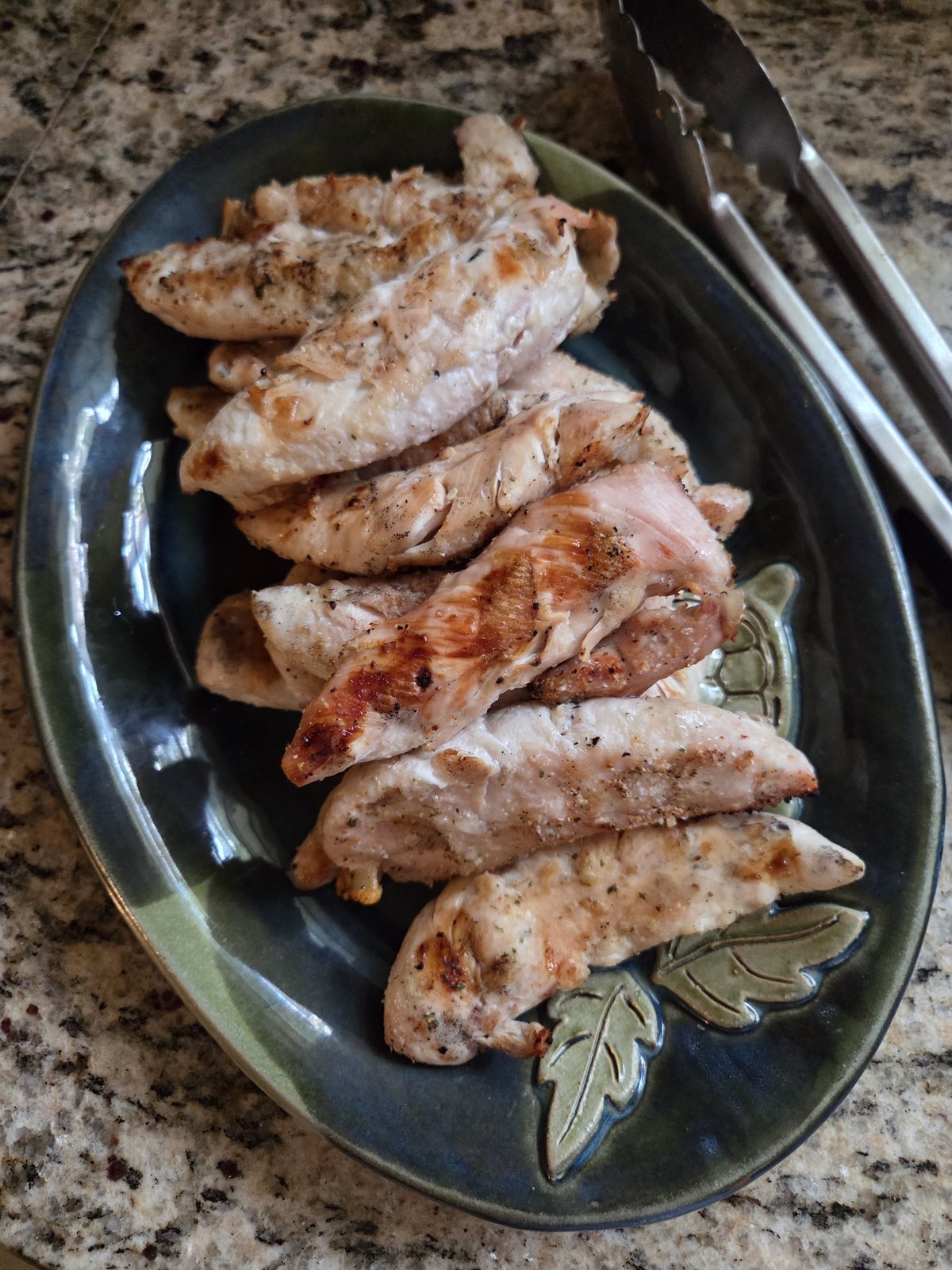
Recipe to try · I have not tested this version.
A sandwich from the flat top
Chicken cheesesteaks put several jobs on the Blackstone at once: cooking the filling, melting the cheese and getting the rolls ready to hold it. Assembly matters as much as the food coming off the griddle.
The saved recipe below uses ground chicken, onion and provolone in hoagie rolls. It is one way to connect the broad cooking surface with a complete dinner, including the bread and the work of getting the sandwiches to the table.
I have not cooked this particular version yet. The original recipe supplies the quantities and method; the details below explain what to expect from it and what deserves attention at the stove.
Saved recipe
The starting point
The saved recipe uses ground chicken, onion, provolone and hoagie rolls. The filling cooks on the griddle before the cheese is melted and the sandwiches are assembled.
Recipe by Carrie Barnard at Grill on a Dime.
Read the original recipe →Use the original for quantities and complete instructions.
A few details to watch
- The sequence used for bread, filling and cheese
- Whether the filling stays inside the roll
- How the actual preparation and cleanup fit the evening
The roll completes the cooking question
The filling is only part of this saved sandwich. A hoagie roll has to carry the chicken, onion and melted cheese from the griddle to the table. The amount of filling and the sequence of assembly therefore belong in the same account as the cooking surface.
For a first cook, a useful photograph would show the sandwich after assembly as well as the filling on the Blackstone. A short note could record whether the roll held together, how the cheese was distributed and how many sandwiches the actual batch made. That would give the recipe an ownership connection through a real dinner, while leaving the original author’s method and quantities as the starting point.