Select a photograph to enlarge it.
I arrived in Chattanooga on a Saturday evening with work waiting for me on Monday. That left a Sunday to walk around, follow a few recommendations and see what caught my attention. Breakfast, the towing museum, Raccoon Mountain and an old train station filled the day.
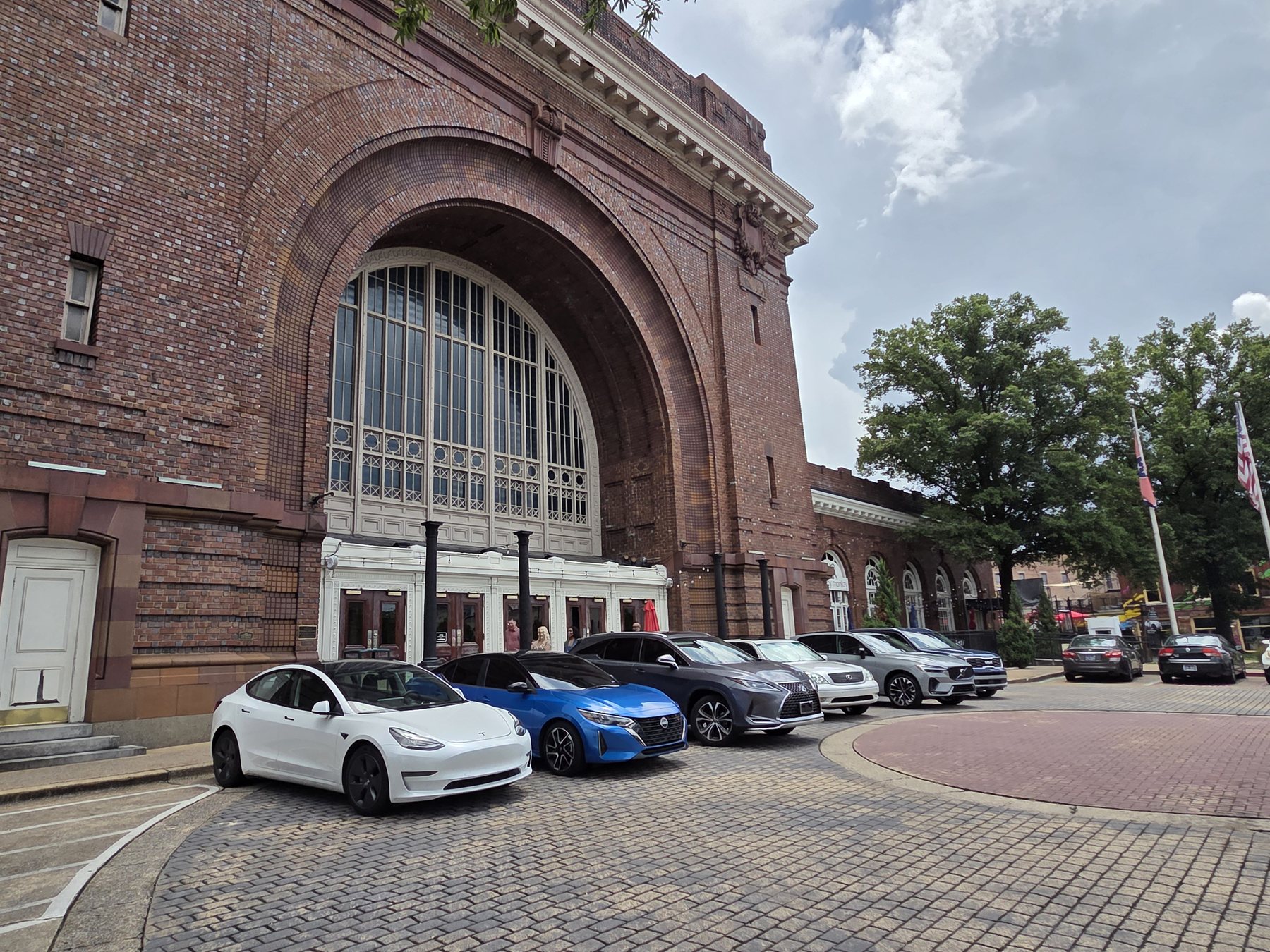
A day between appointments
Staying downtown helped. I could walk out of the hotel and find somewhere interesting. The room seemed clean, the television was frustrating, and the location was doing much of the work. Through the window, I could see a crane lit in red, white and blue. Even the view had something mechanical in it.
Sunday started with three versions of eggs Benedict. Breakfast was good enough that I recorded a note about it on the walk back. It was a personal day inside a business trip, and I wanted to make use of it.
The machinery behind a recovery
At the towing museum, the history of recovery equipment pulled me in. I work with components that make machines move, so I had plenty of reasons to be interested. I came out enthusiastic about what I had seen and curious about the manufacturers behind it.
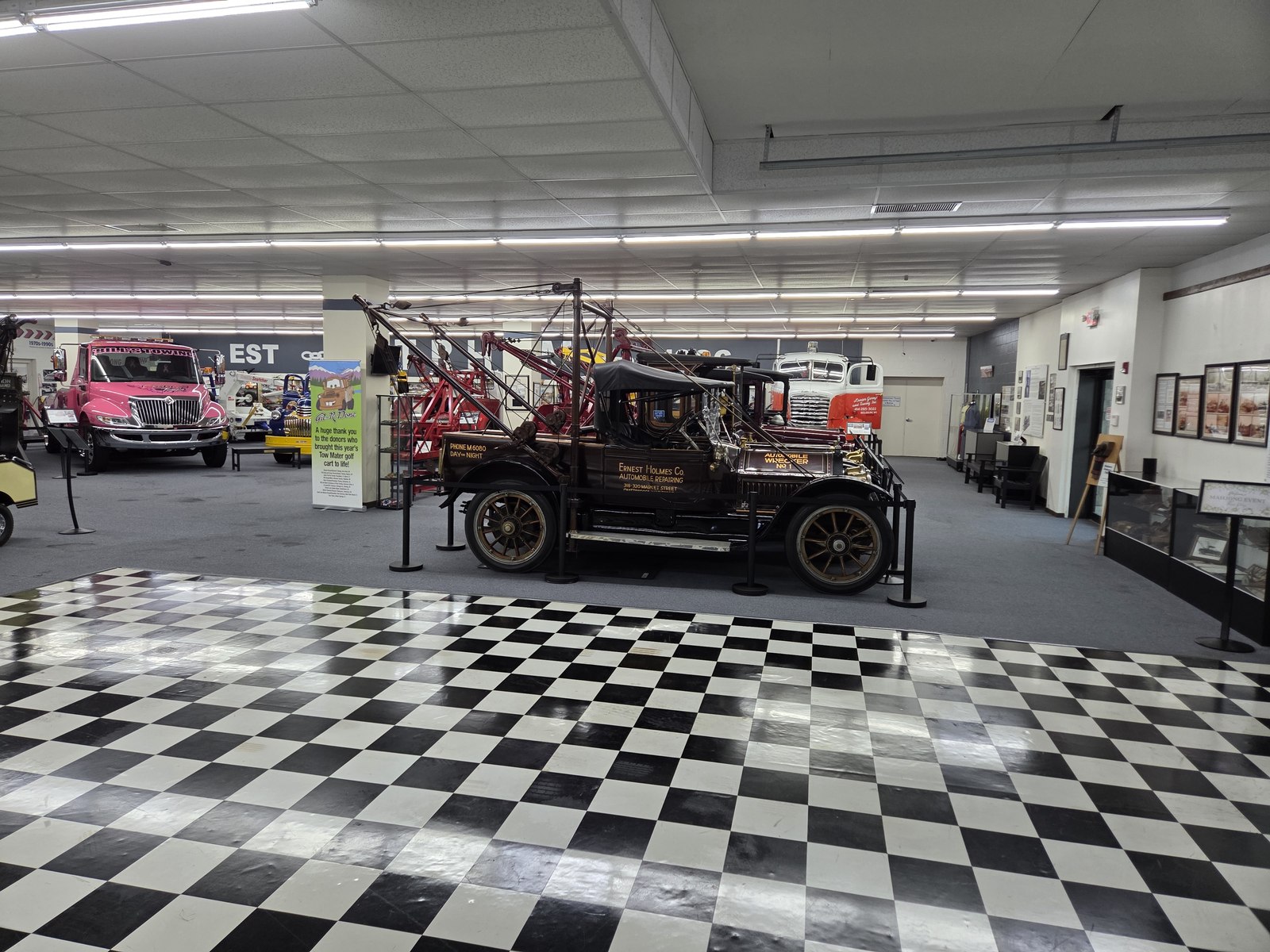
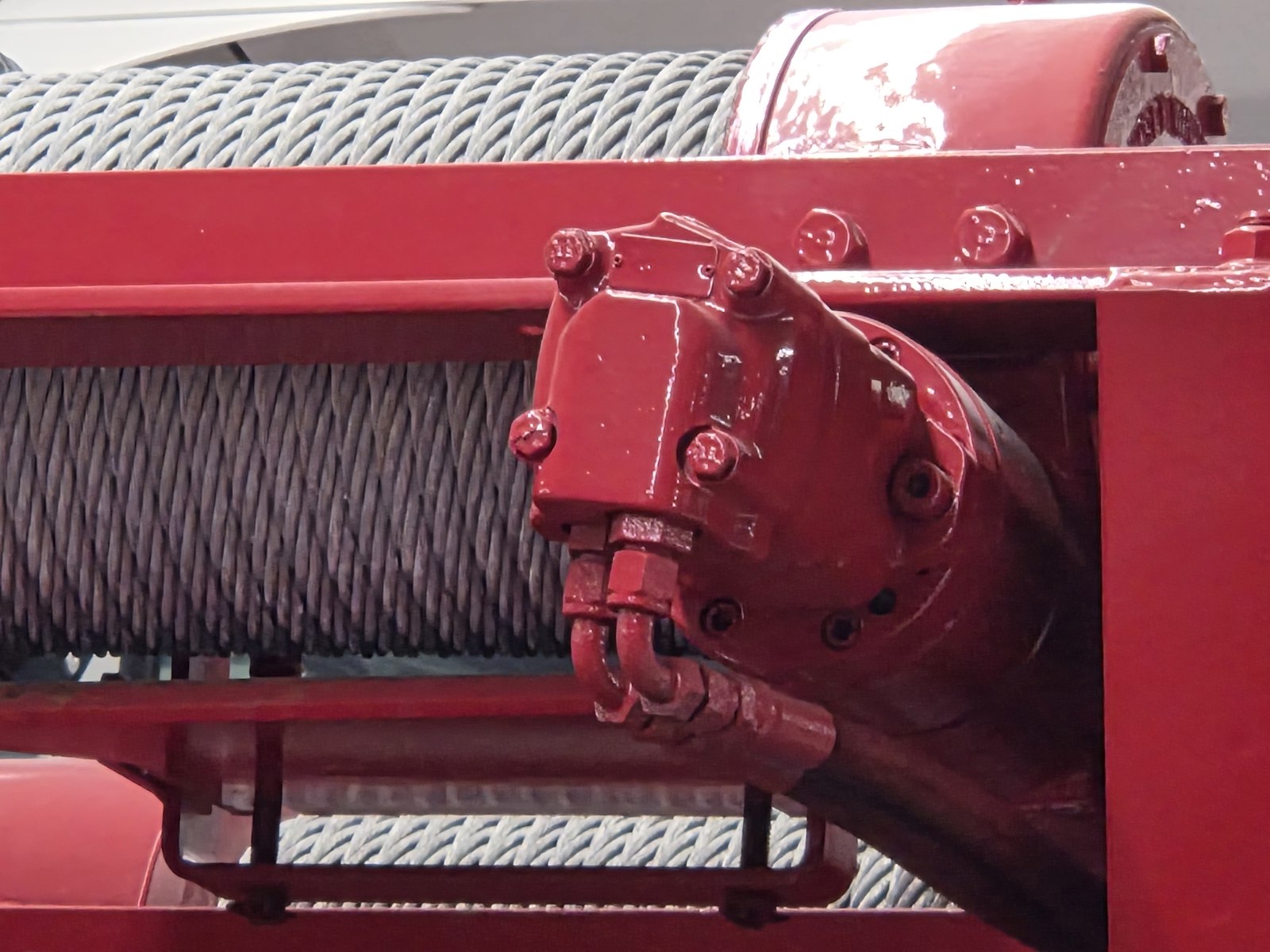
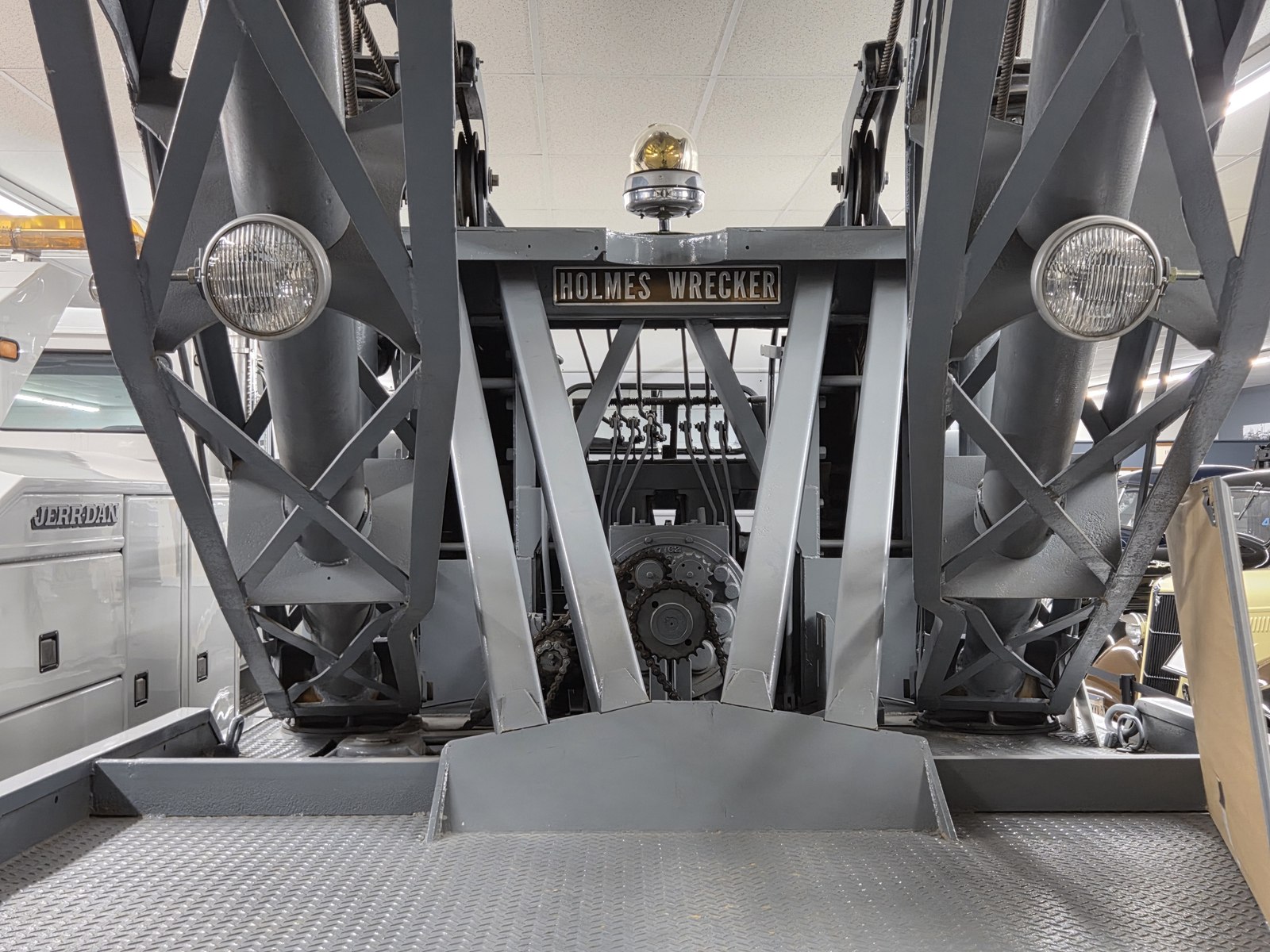
The closer photographs show why the equipment held my attention. A recovery vehicle has the recognizable shape of a truck, but the work happens through booms, cable drums, hooks and the assemblies behind the cab. Looking into those assemblies gives a different view from standing in front of a finished vehicle. The separate museum photo story follows those details through seven photographs.
I also met a fellow Michigander wearing a Detroit Tigers hat. He recommended the local market. A few minutes of conversation had added another possibility to the day.
Raccoon Mountain, from the overlook to the machinery
Next came Raccoon Mountain. I had been reading about the reservoir and its role in power generation and wanted to see the place. The drive took me through mountain roads, past rail infrastructure and substantial power lines.
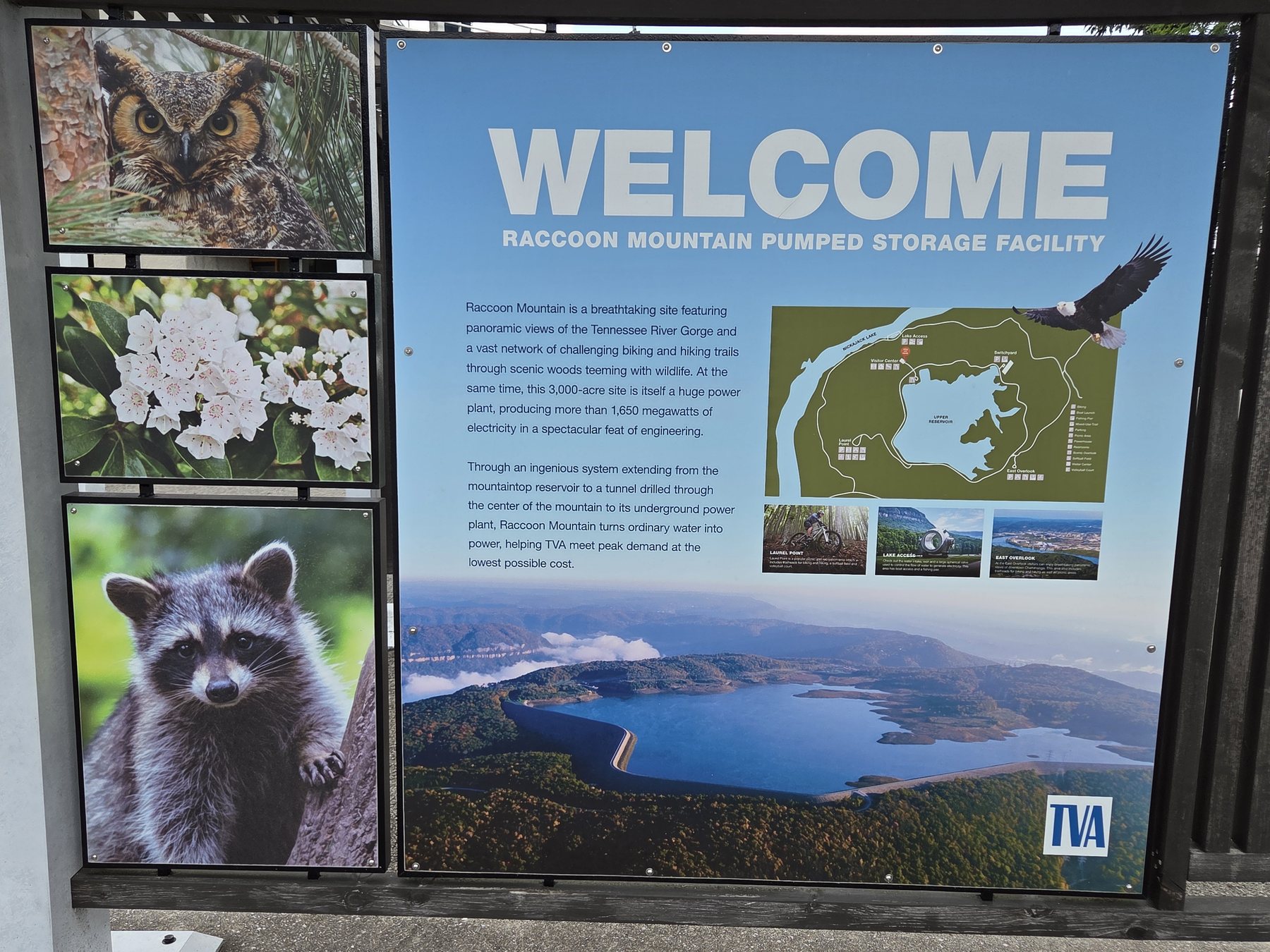
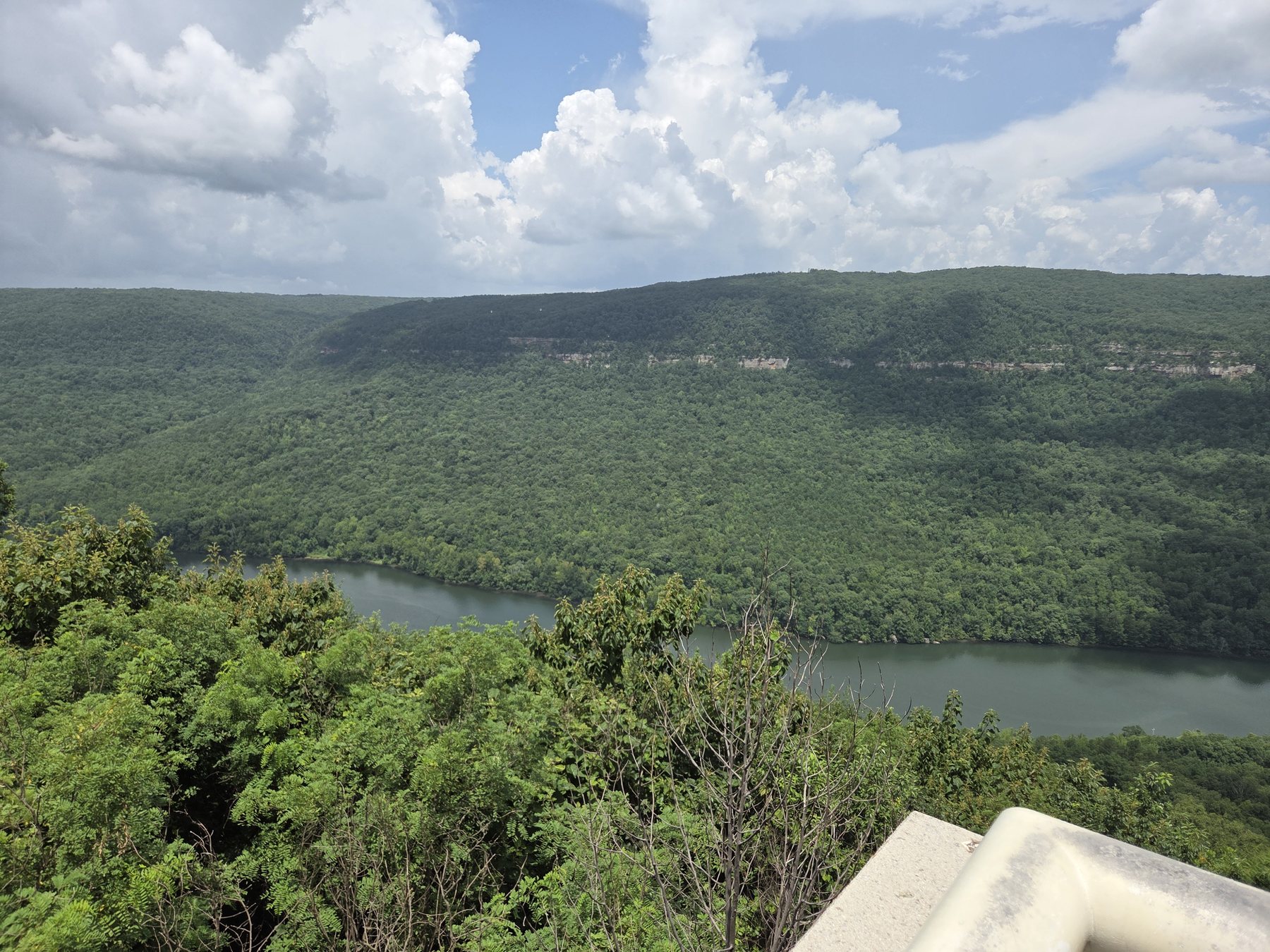
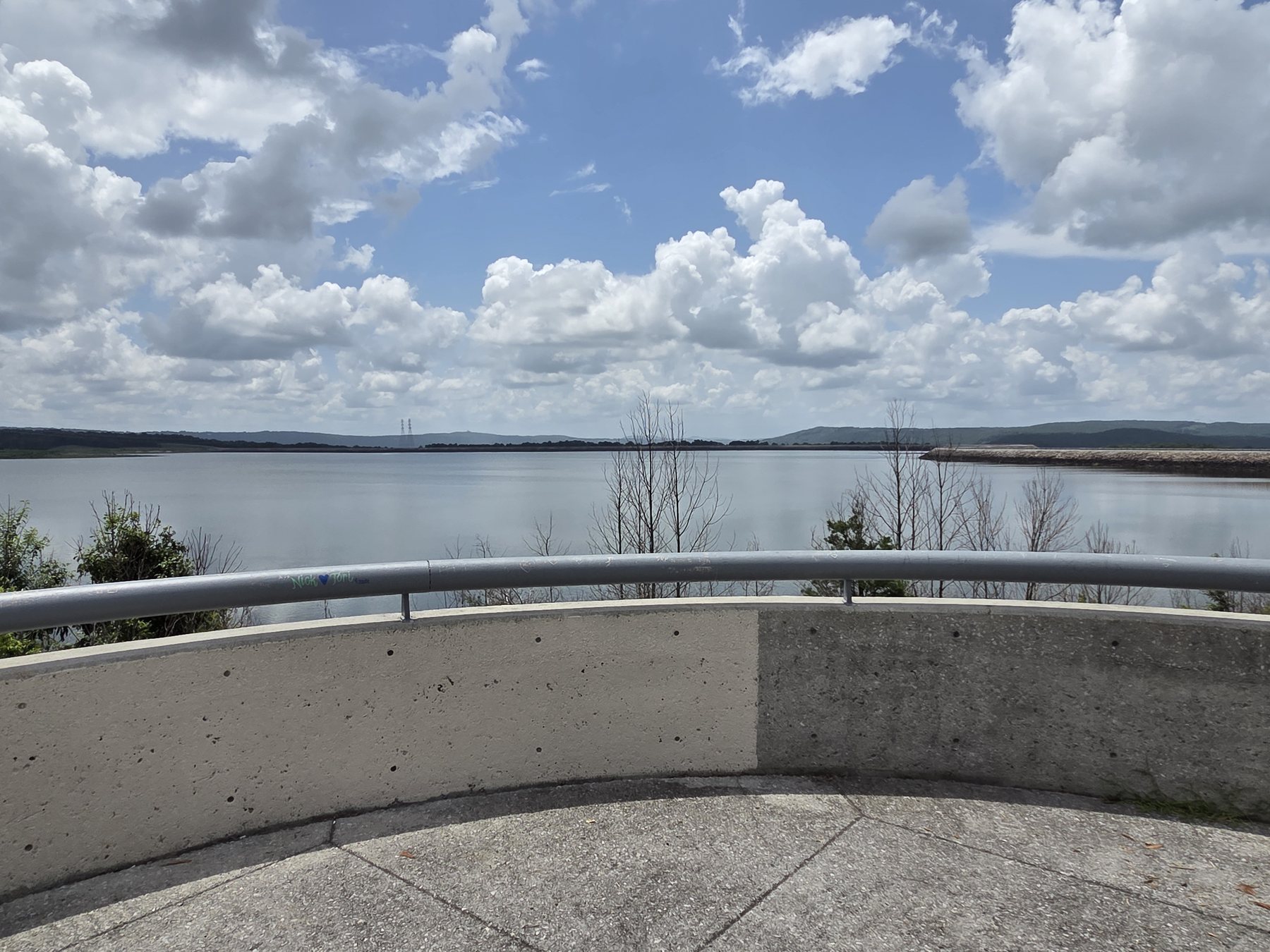
From the overlook, the river sits below a long wooded ridge. The view across the reservoir is much more open: water, a low horizon and large clouds, with a concrete wall and railing in the foreground. Both are part of this stop, but they give very different impressions of the mountain.
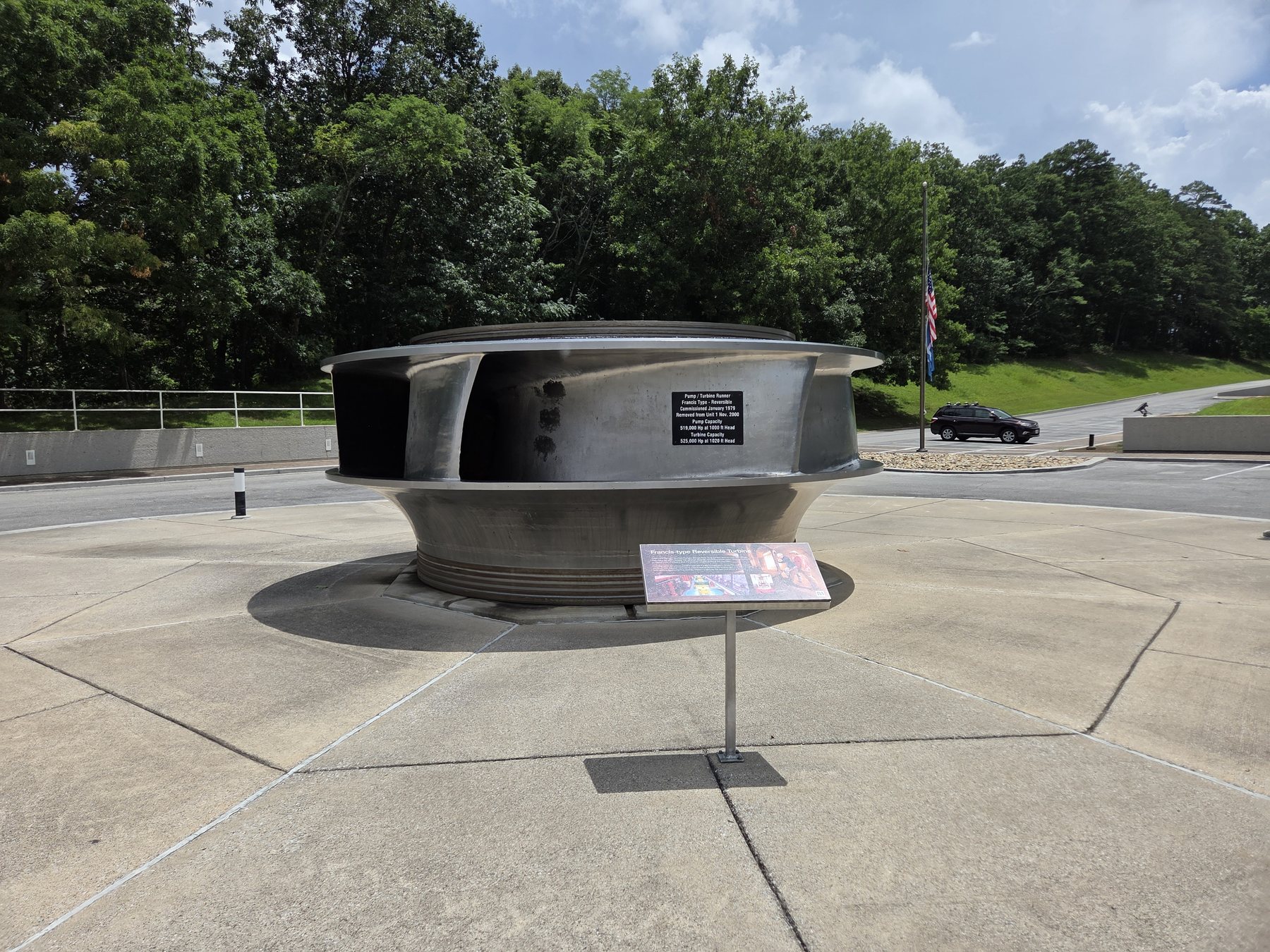
The visitor displays bring the machinery back into view. A large turbine component sits outside on a paved plaza. Another photograph looks across the water toward a concrete structure and its access walkway. The scale changes as the pictures move from a whole landscape to one piece of equipment.
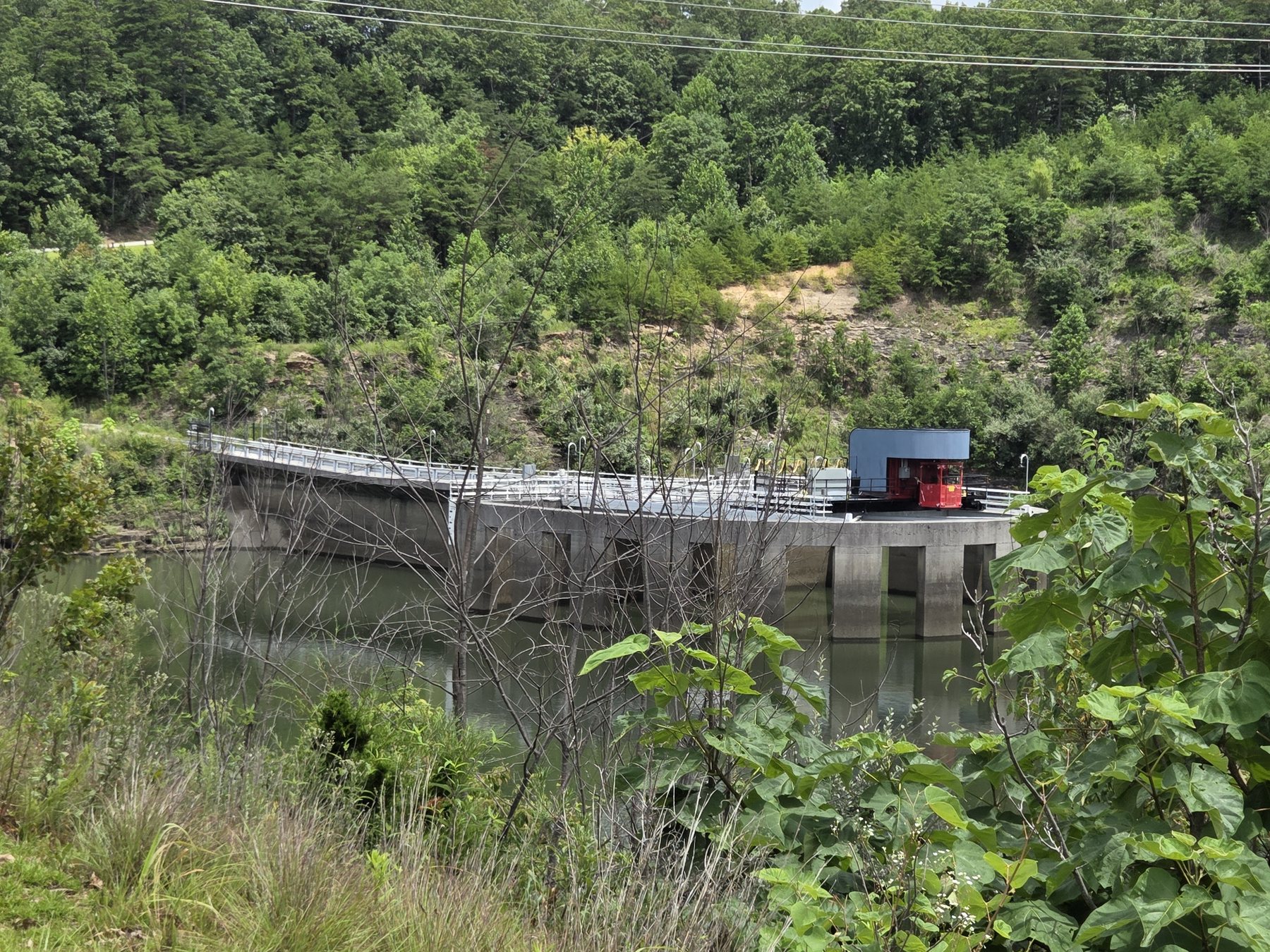
That is the connection I kept finding during this day: somewhere interesting to visit, with another reason to look closely because of the machinery involved. After the mountain, I headed back into town.
Walking into the old station
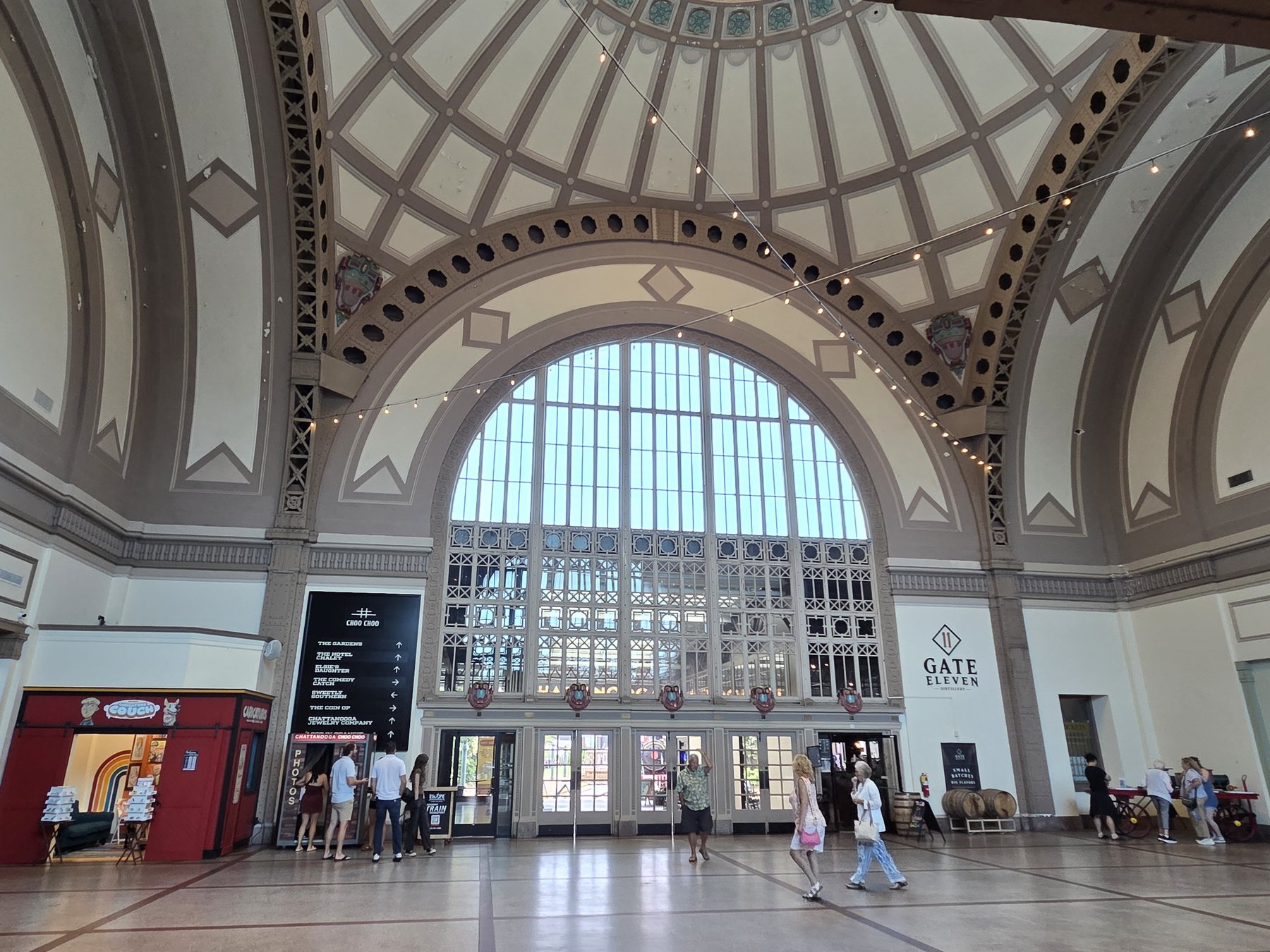
The former train station was a highlight. The brick entrance opens into a tall hall with a patterned dome and a large arched window. Beyond the hall, illuminated Chattanooga lettering frames a locomotive and the tracks running out toward it.
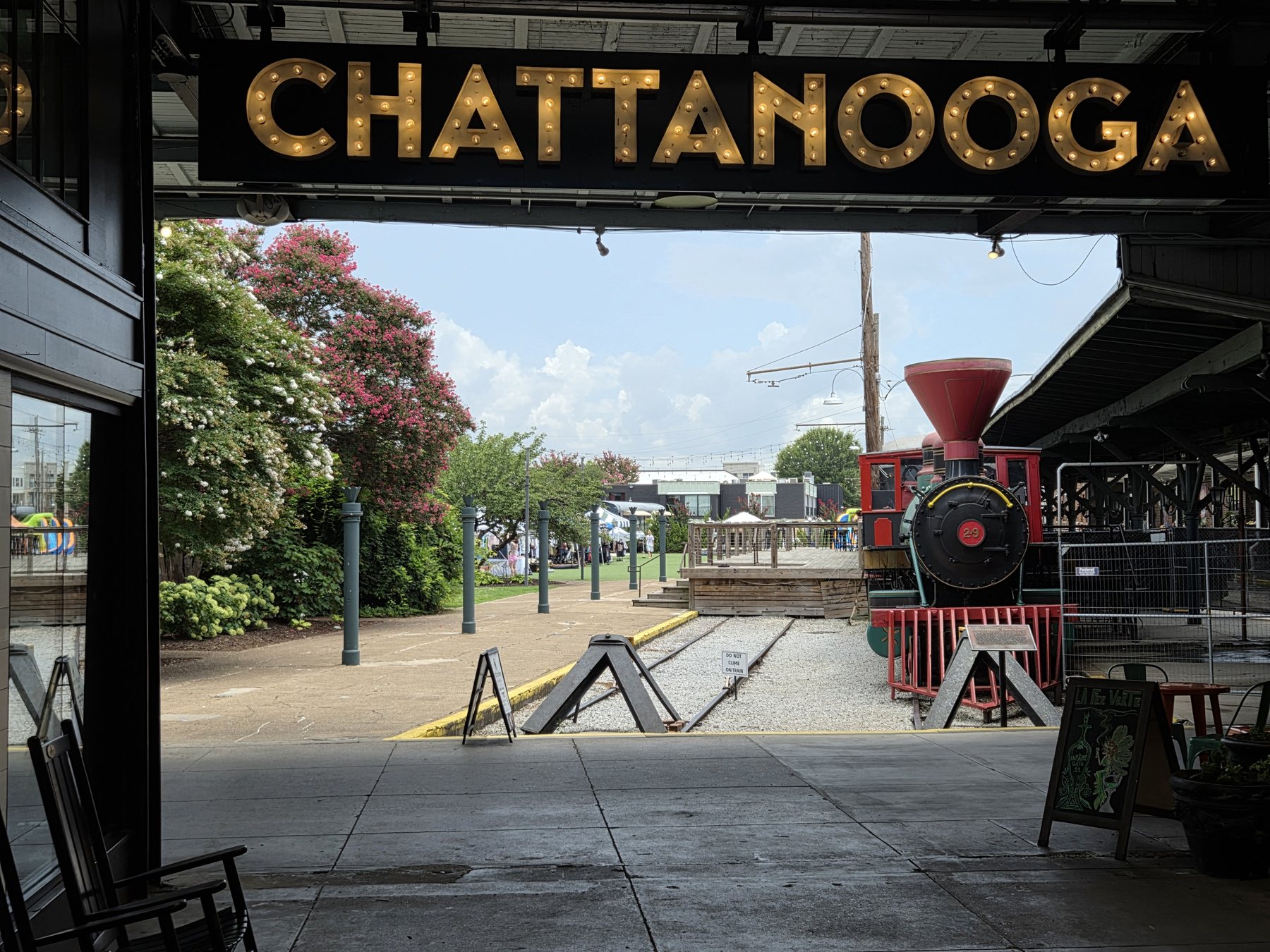
Outside, the older railway setting remains visible among the businesses. A green locomotive with red trim sits beside a covered platform. Other rail cars face one another across gravel and paved walkways. I could move from looking at a piece of railway equipment to looking at how the space around it was being used.
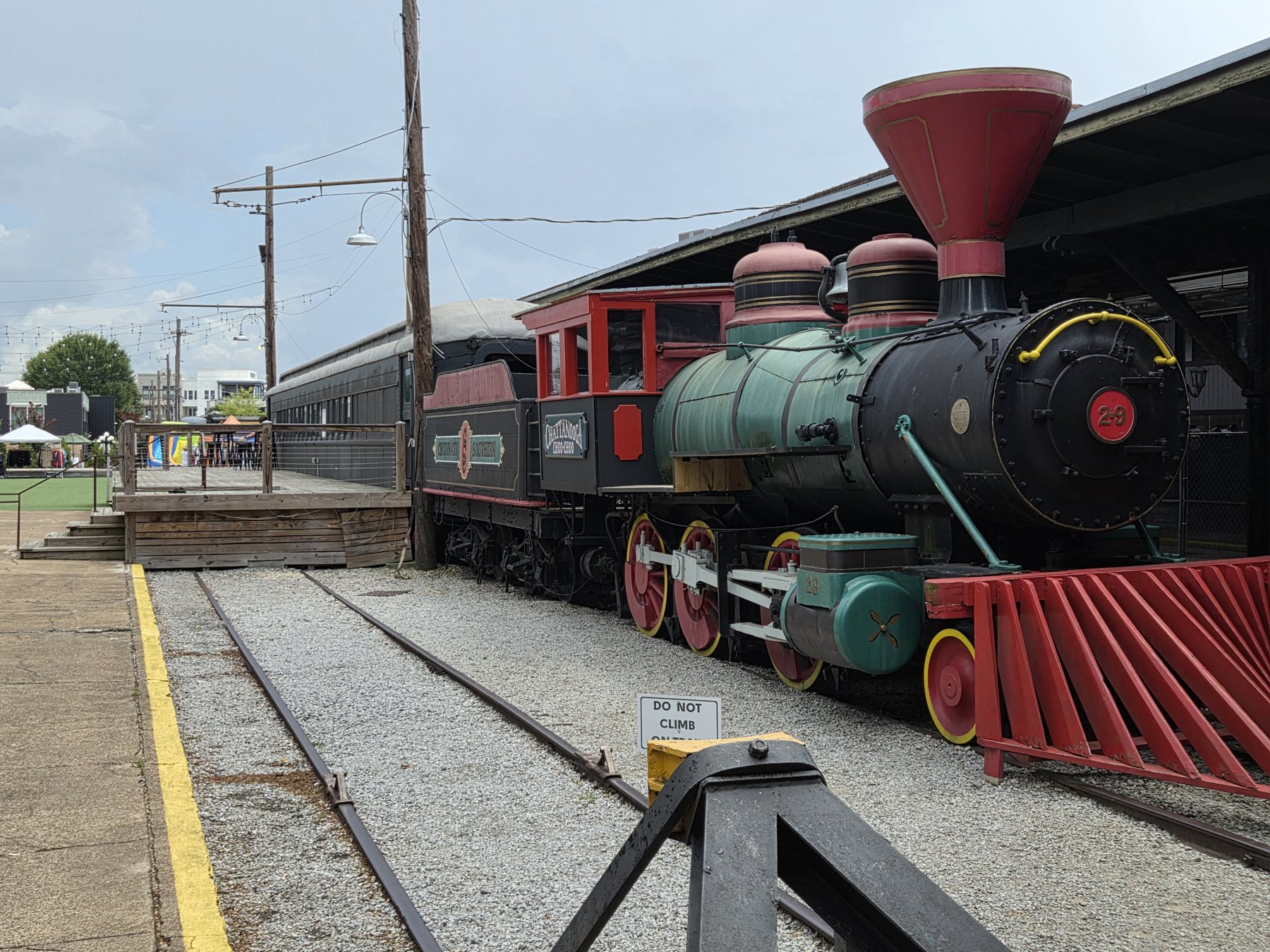
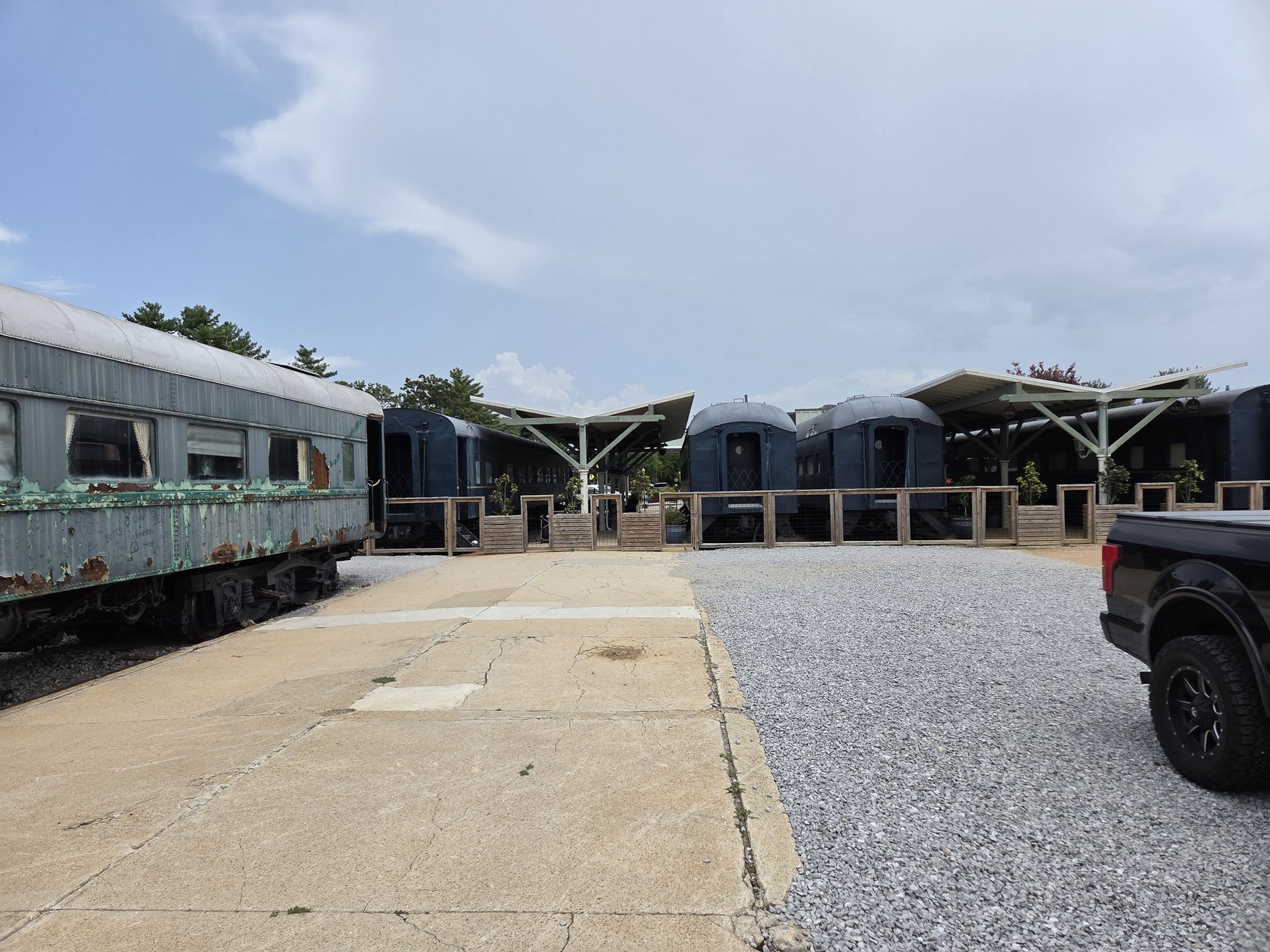
There were train cars converted into places to eat, drink and shop, and others that appeared to offer overnight stays. Vendors were outside, with a courtyard, bars and a pool surrounded by railway cars. Thunder was starting, and I felt a little rain, but I kept walking and taking pictures.
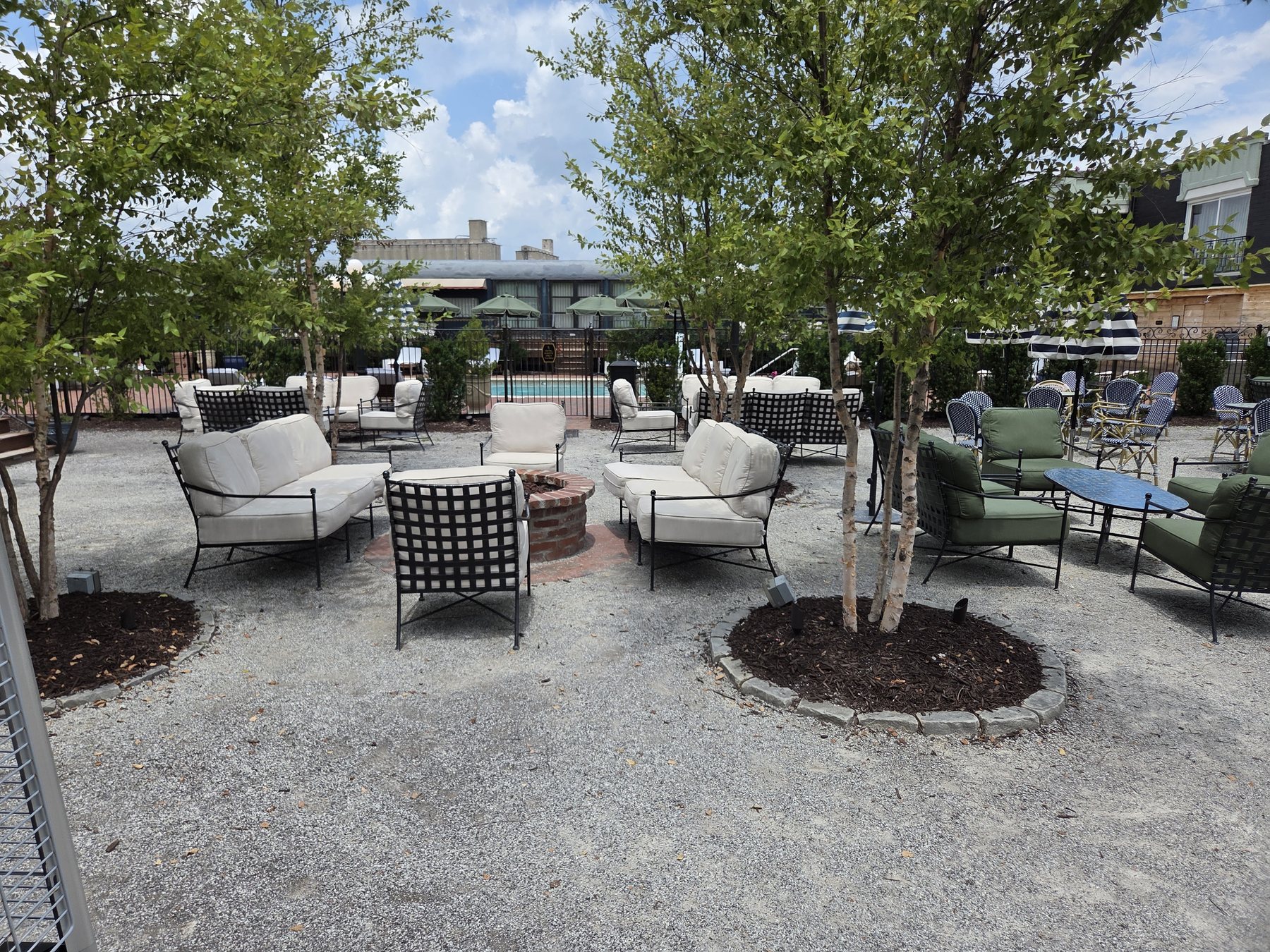
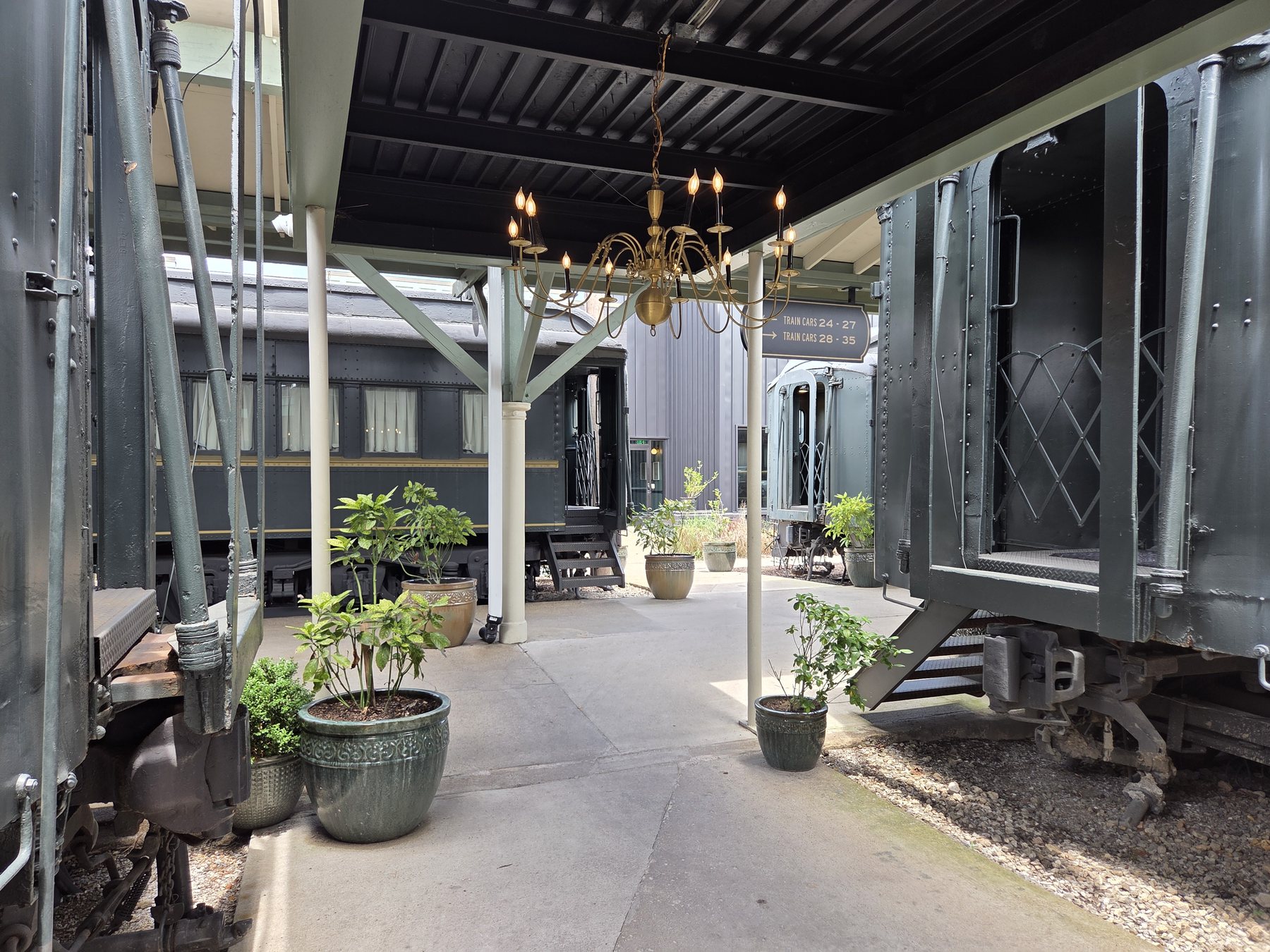
A chandelier hangs over one of the passages between the cars. Potted plants and small steps lead to the carriage doors. In another part of the courtyard, chairs and sofas sit around a circular brick fire pit. These are the smaller scenes that make the station more than a photograph of the building from the street.
On the way out, the door handles caught my attention. They were railroad spikes. The old purpose of the place remained visible in the way people were using it.
Food belongs in the trip, too
The day’s food photographs include a plate of tortilla chips covered with browned strips and pale sauce. Small crisp cups hold sliced green peppers and another topping. The close view puts the food at the center of the frame, with just the edge of the table around it.
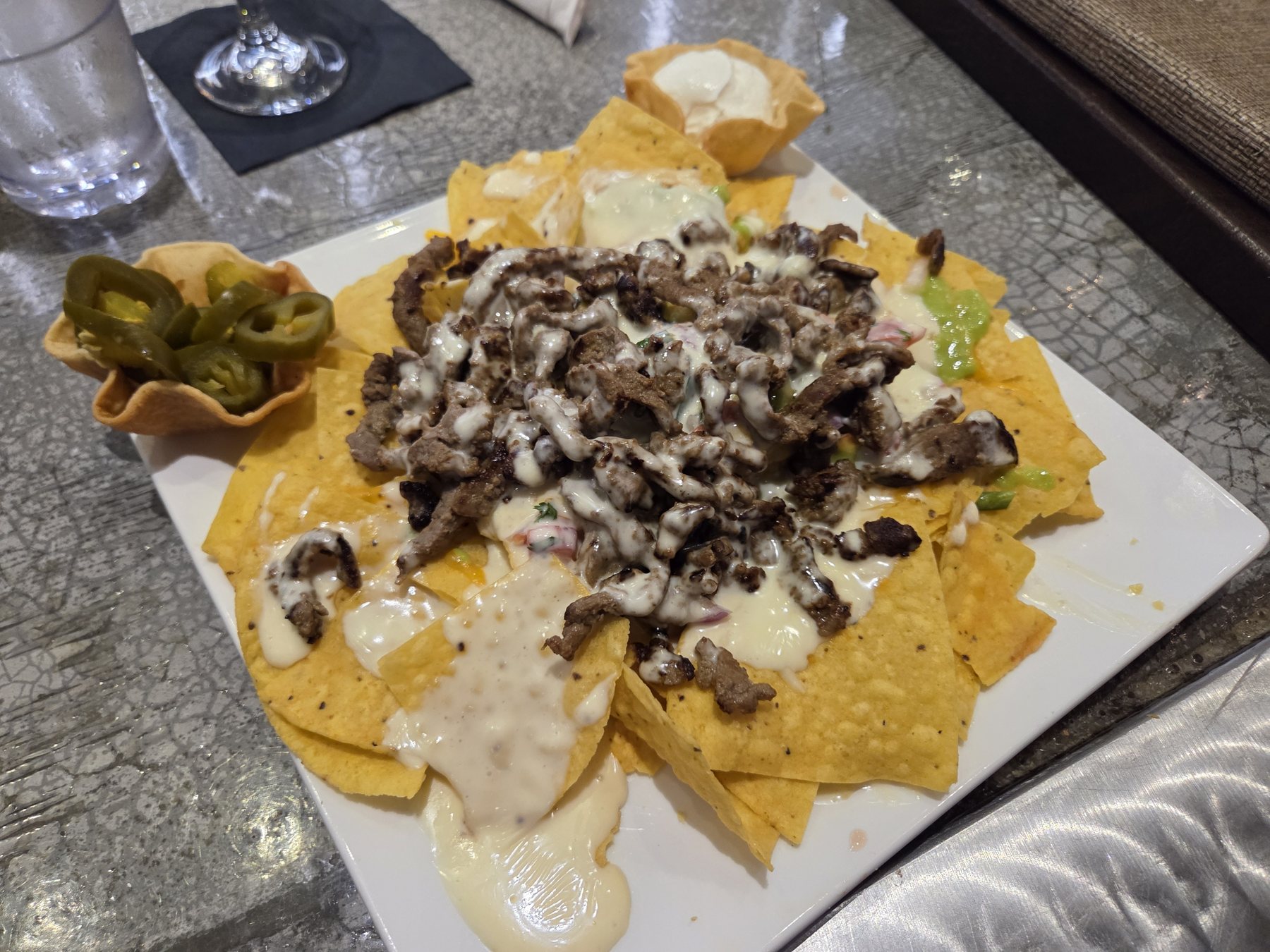
Breakfast had started the day; this later plate belongs to the afternoon. Between the two were the museum, the mountain and the walk through the railway district. There was room for all of it before the Monday appointments.
Back to the work trip
Monday brought the work appointments and conversations I had come for. Sunday had given me time to look around the place I was visiting. The museum, the mountain and the station had each held my attention for a different reason.
I called these recordings windshield notes. Chattanooga gave me plenty to talk about: machines, a conversation with someone from home, and a train station where even the door handles were worth a second look.
The people behind the machinery
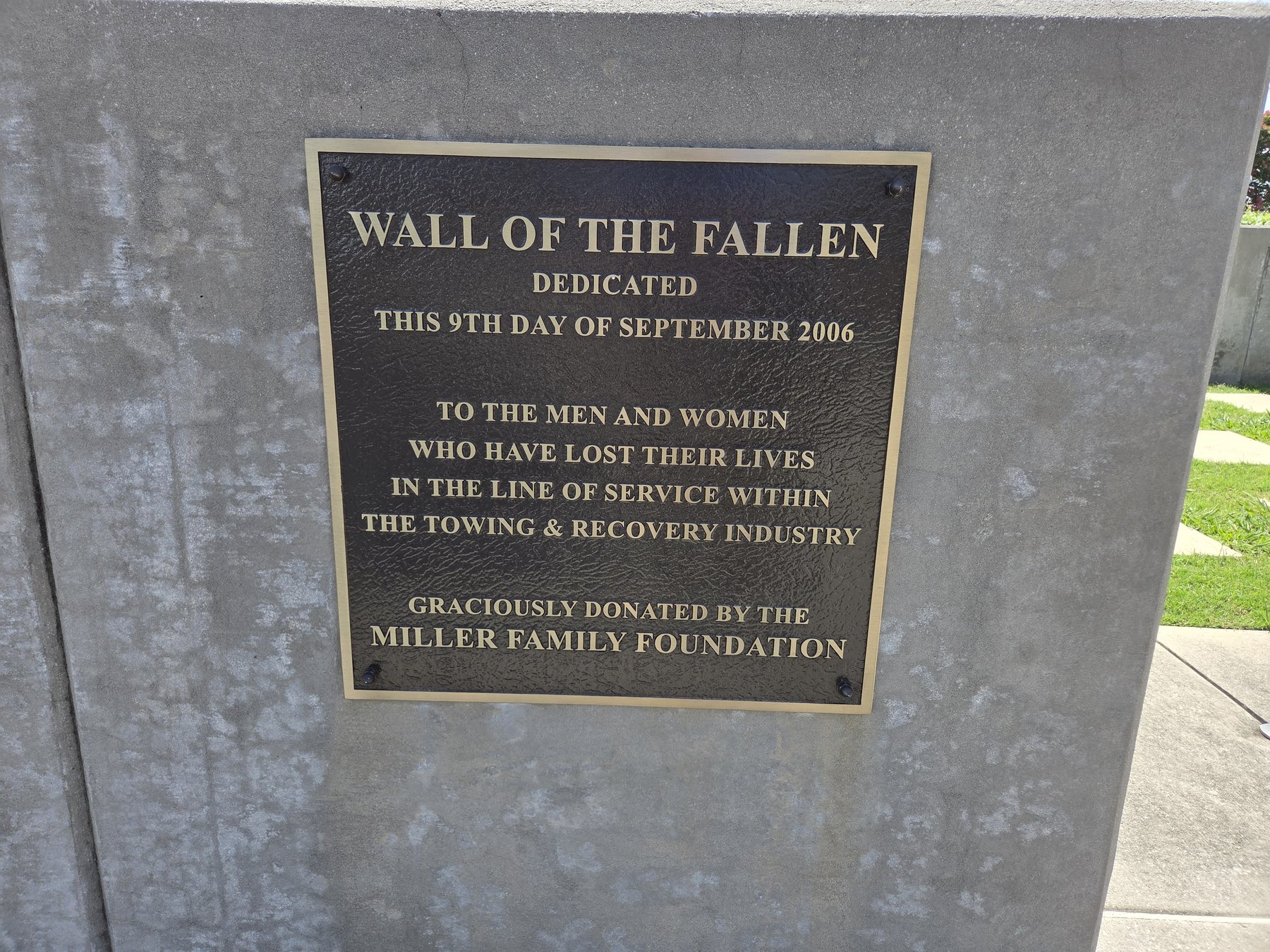
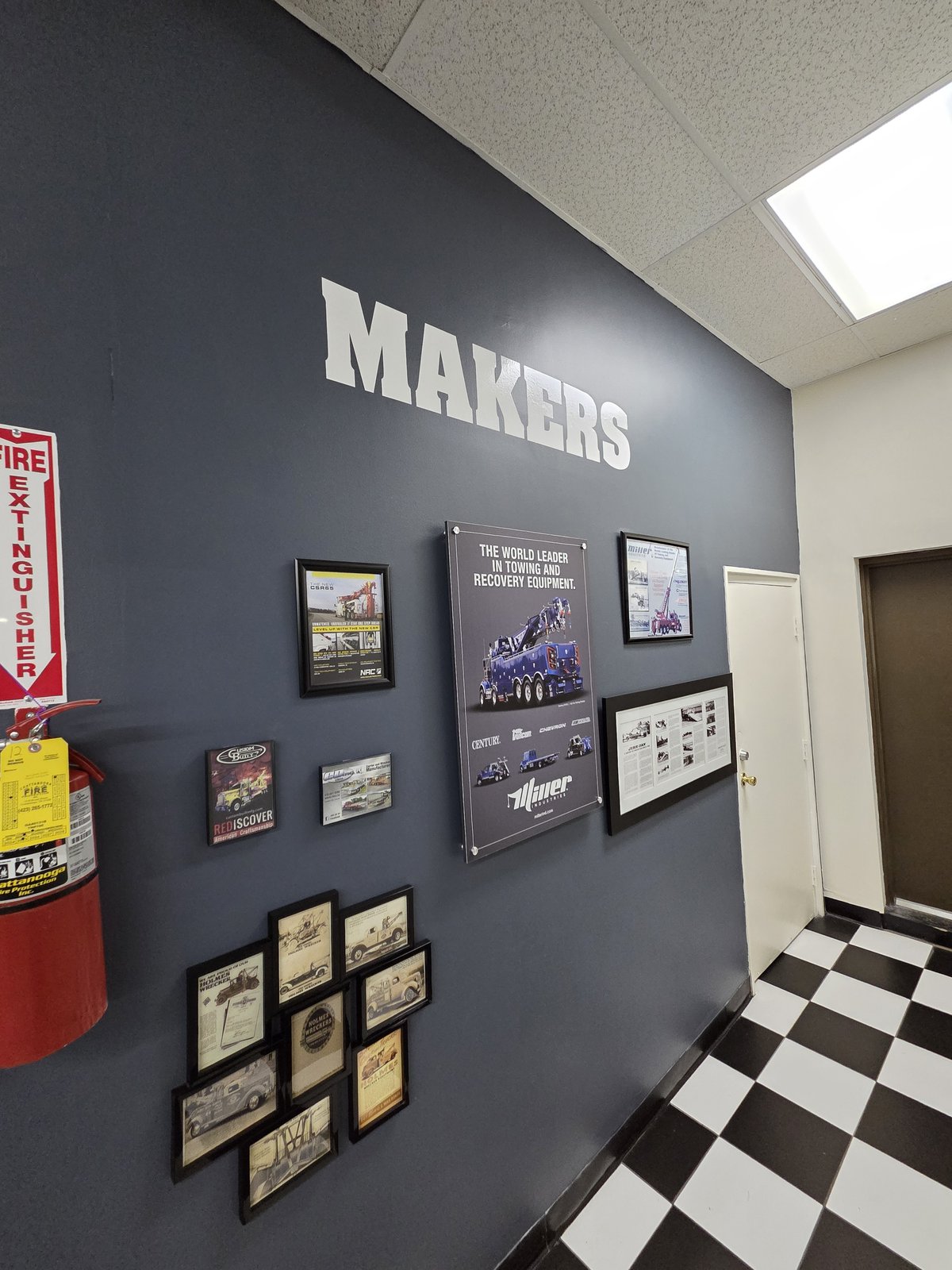
At the towing museum, the Wall of the Fallen sits beside the equipment story. Its dedication is to people who lost their lives in towing and recovery work. The Makers display brings another part of that history into view through photographs and captions. The visit was about machines, but the exhibits also kept the work and the people attached to them.
The road around the power system
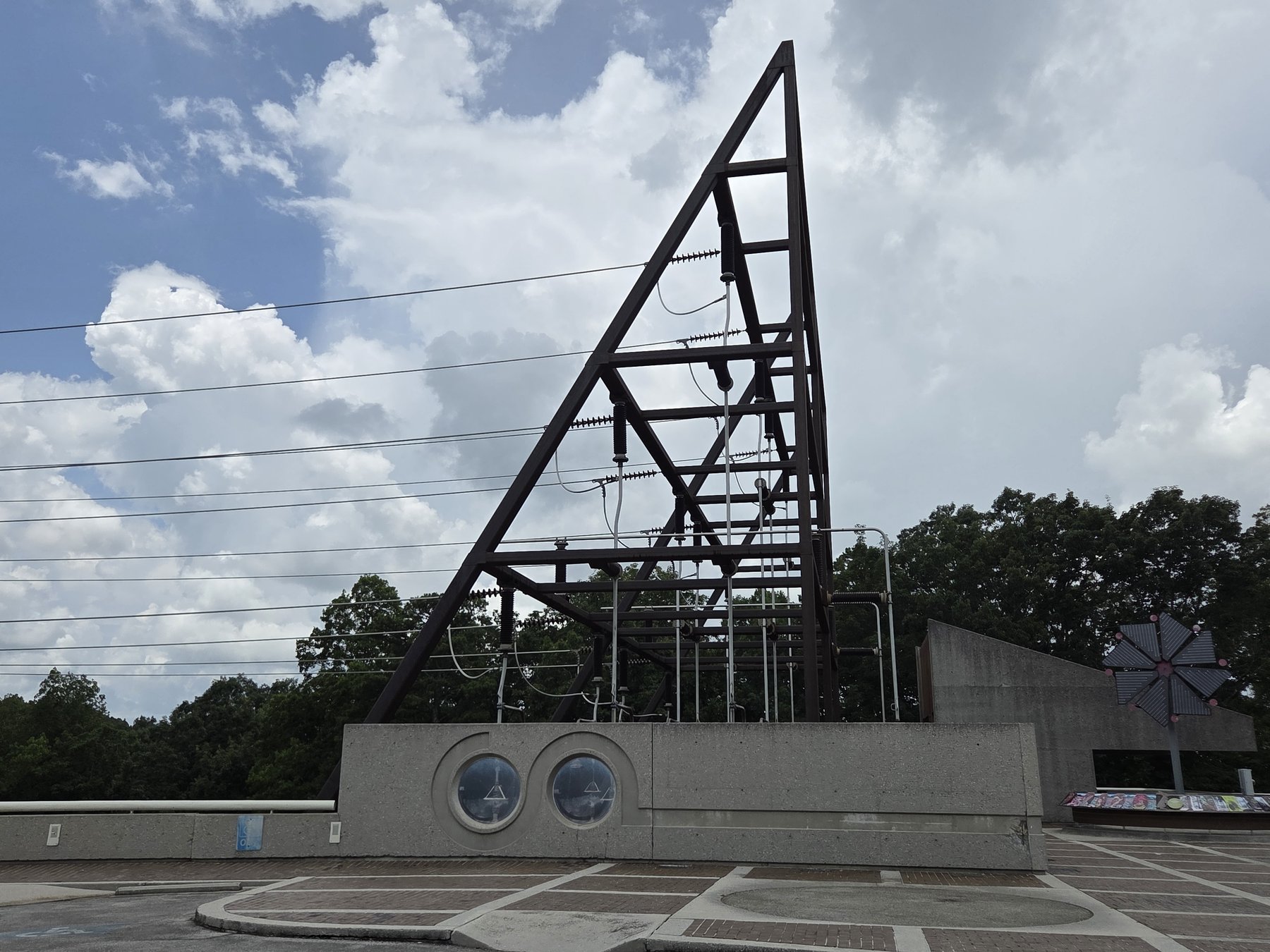
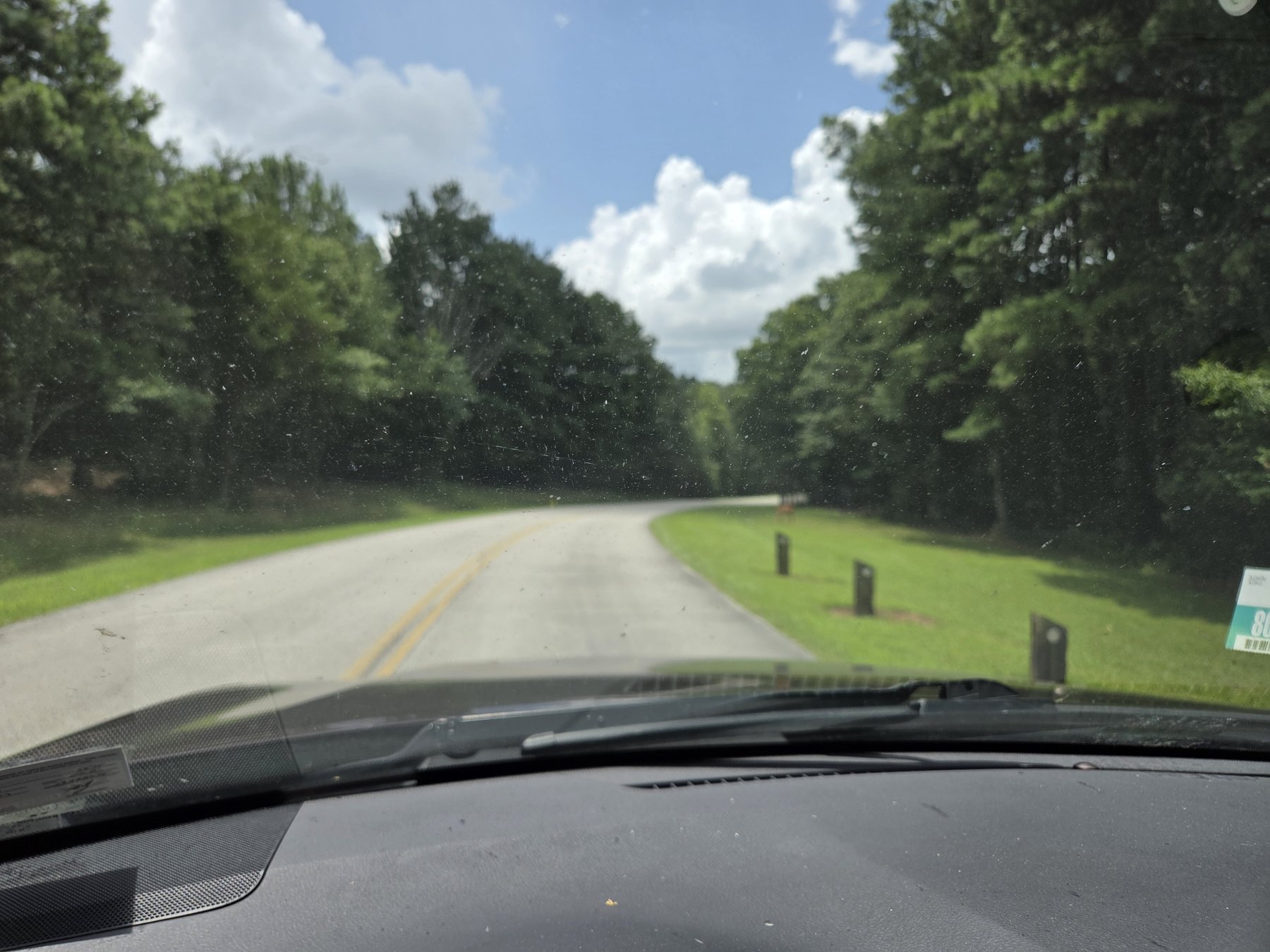
At Raccoon Mountain, the photographs do not stop at the water. Electrical structures, lines and the road through the trees fill out the visit. Those scenes connect the reservoir overlook to the much larger system around it.
Different uses for an industrial setting
The train-station stop adds an interesting contrast to the museum. In the museum, vehicles and working assemblies are presented for close examination. Around the station, older railway forms remain part of spaces used for eating, gathering and staying overnight. The photographs move between machinery as an exhibit and equipment that still gives a place its shape.
The small details make that contrast tangible: a locomotive beyond the station hall, a chandelier between carriages, steps at the doors and railroad-spike handles on the way out. Raccoon Mountain adds the much larger setting of water and infrastructure. Across the three stops, the scale kept changing, from an individual connection on a towing vehicle to the landscape around the reservoir.
Trip photographs
View trip photo collection →
Chattanooga · 25 photographs